





Growing transphobia and authoritarianism go hand in hand – they must be resisted
Late one summer’s night in 2018, I was walking with a friend through central Thessaloniki when a man approached us to ask for directions. We stopped and, without warning, he attacked us. My friend got away but the man chased me down the street punching me on the forehead and kicking me in the back. The reason? A “man [my friend] was wearing a skirt”.
More than seven years on, I bear no physical scars from the attack but that moment when I locked eyes with that stranger is etched indelibly in my memory. This person had never seen me in his life but still he hated me.
This attack was my first experience of what it means to be “visibly” gender non-conforming. Years on my search for answers for the reasons behind this attack have aligned with broader questions I have following developments worldwide.
What do gender norms have to do with the protection of Turkish society? Why is the Slovakian government claiming that codifying only two genders in the Constitution protects the nation? Why are some (cis) women (along other anti-rights groups) celebrating the restriction of (trans) women’s rights in the UK?
Anti-LGBTQIA+ violence has been concerningly on the rise in the past year throughout Europe, with gender non-conforming and transgender people being disproportionately targeted worldwide. Transgender people are often limited to “the trans”, an alienating practice that asks for our focus to be directed to the person’s anatomy and physique while trans youth is being erased and suppressed despite the existence of solid data which confirm that gender affirming care saves lives.
Bending or wholeheartedly rejecting harmful gender norms has caused unease to some groups who dubbed such practices as “gender ideology” and attributed to them catastrophic consequences. It is no coincidence that the attacks against transgender and gender nonconforming people align with the rise of authoritarian practices across the world. “Wokeness” has become a convoluted term that spreads moral panics rather than calling for a critical stance towards politics and systems, as it originally intended.
A 2025 ruling by the UK Supreme Court defined womanhood based on biological sex, meaning that transgender women in the UK could be denied access to single-sex toilets; although the Court reiterated their legal protection, they have to endure the constant interference with their bodily autonomy, privacy and dignity. We become the spectators of a loud minority of cis women claiming to fight patriarchal oppression by turning against us; us, who belong to communities that have been substantially harmed by the same patriarchal forces who oppress them. Ironic, isn’t it? Groups of women who have been fighting against their oppression and restriction on the grounds of biologically essentialist claims (women being caring, weaker and less able to hold positions of authority, having to become stay-at-home mothers, and so forth) instrumentalising essentialist claims to exclude other groups of people. Those women who feel threatened about their very identity on the grounds of trans women’s anatomies.
The eradication of a specific group of people is being justified as a measure of protecting women’s safety. Anti-trans agendas are being promoted at universities and recently at the United Nations, with transgender claims to existence being named “coercive inclusion”. Thankfully, these voices currently constitute the minority in international human rights spaces.
Rejecting the societal norms that dictate who you are can be liberating but also a threat to systems of power and control. The struggle for justice is intersectional; alongside intersex, transgender and gender nonconforming communities, migrants, refugees and asylum seekers, people with disabilities, Indigenous people and other historically marginalised communities are also targeted. Amnesty International has repeatedly raised the aspect of intersectional justice in human rights issues, including access to abortion and sex worker’s rights.
While some are enjoying the rights they are entitled to, others are treated as ‘second-class citizens’ and further marginalised; apparently, the “Year of the Family” in Türkiye is used as a justification to further restrict LGBTQIA+ lives.
Patriarchy is a destructive force that affects everyone, cis men included. It blends perfectly with the determination of everyone’s position in this world, with the most privileged ones being secured for itself, and the entrenchment of gender stereotypes. Women as caring and fragile; bisexual people as confused; gay and lesbian people as sexual deviants; transgender and gender nonconforming people as caricatures. And yet we are still failing to make the connections; we conform to the “divide and rule” tactics that destabilize the very communities that can alleviate the pain of marginalisation and alienation and direct our rage towards a more positive outcome.
My personal experience suggests that most of those who condemn transness have never interacted with transgender people. They have failed to see them in their ordinariness, their moments of love, fear, aspiration and all these life situations that we all get to taste. This lack of interaction is what reduces the “trans” to the sphere of speculative evilness. Trans people become one of the many scapegoats to direct frustration that often might stem from the rigid norms one has uncritically accepted.
It is high time that we focus on what brings us together, reaffirm our dignity and reject with a furtive smile the pointless and misleading accusations of “wokeness” and “gender ideology” for claiming existence. Inspired by historian and leading figure in transgender studies Susan Stryker, I see my rage as a “motivating force” to resist through and by creating networks of care.
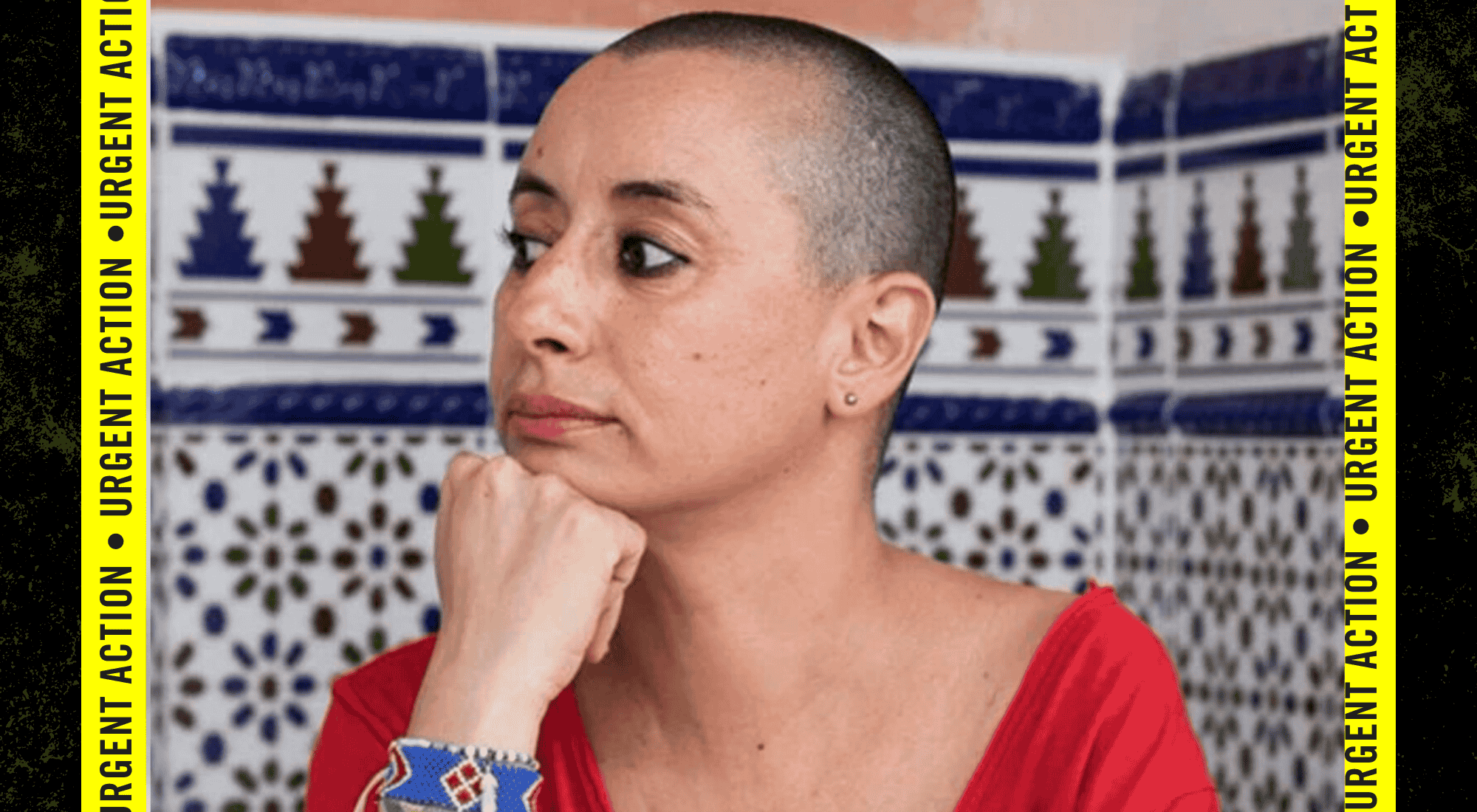
Alex Birintz is a Research and Campaigns Assistant at Amnesty International
What you can do to help
In November 2025, the Alberta government introduced a bill invoking the notwithstanding clause to prevent courts from reviewing three previously passed laws restricting rights of transgender children and adults. The three laws, two of which are facing constitutional challenges, include restricting access of youth under 16 to gender affirming healthcare, banning transgender participation in women specific sports, and requiring parents’ consent for youth under 16 to use preferred pronouns that align with their gender identity in schools.
The inclusion of notwithstanding clause in bill 9 means that the courts will not be able to strike down the laws even if it unjustifiably violates the Canadian Charter of Rights and Freedoms.
Join Amnesty’s call for on the Alberta government to withdraw its use of notwithstanding clause and allow the court to do their essential work in assessing the human rights impacts of the laws.