





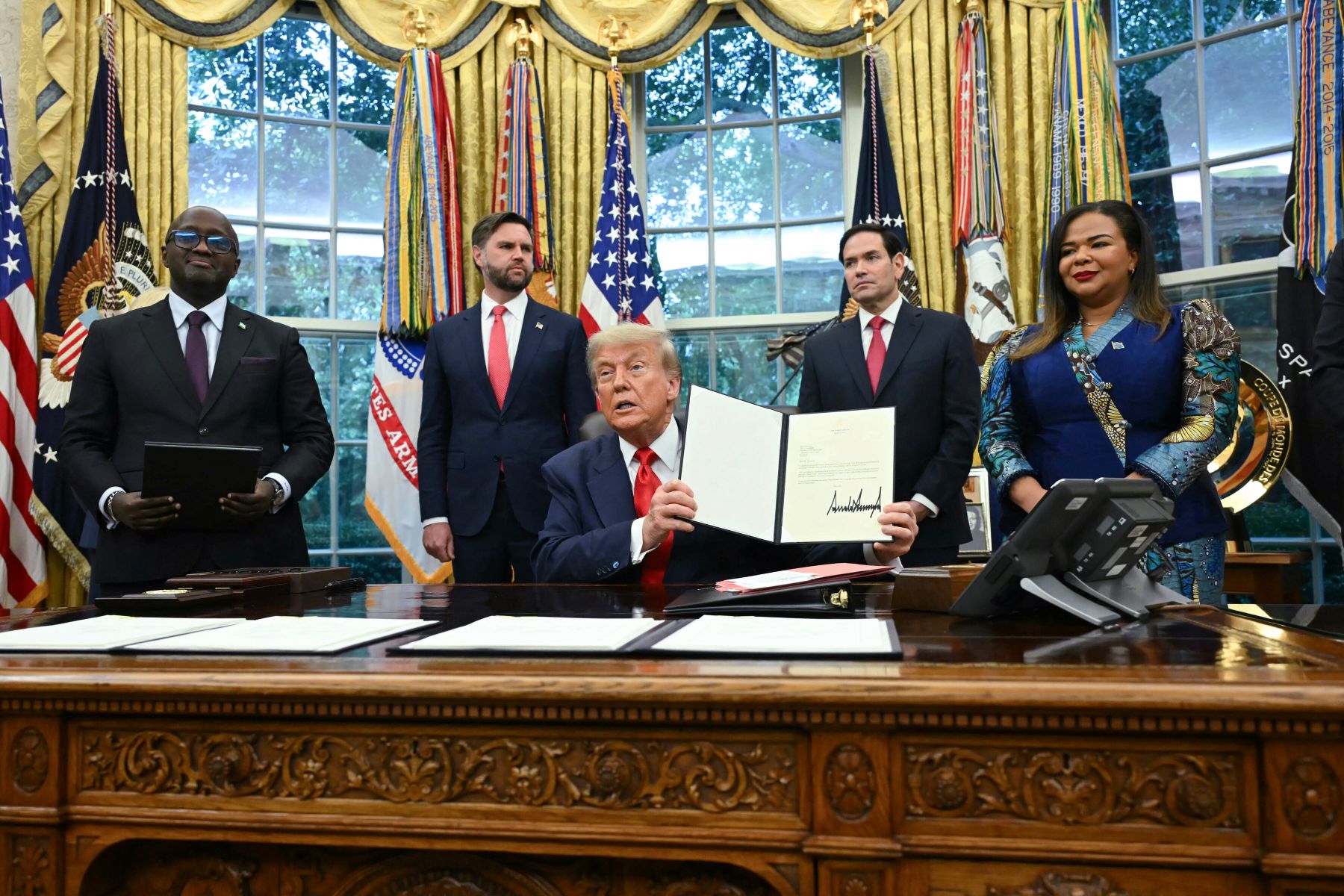
After more than eight months of diplomatic efforts by the United States and Qatar to end the conflict in the Democratic Republic of Congo (DRC), civilians continue to face serious human rights abuses by the Rwanda-backed March 23 Movement (M23) and the Wazalendo, a coalition of armed groups supported by the Congolese army. As the presidents of Rwanda and DRC prepare to sign a peace agreement at the White House today, Amnesty International has said:
“The upcoming signature of the peace deal between the presidents of DRC and Rwanda in Washington takes place as the violence continues in eastern DRC with immense suffering for civilians,” said Tigere Chagutah, Amnesty International’s Regional Director for East and Southern Africa.
“Months of discussions and the signing of multiple agreements in Washington and Doha have had no tangible impact on the lives of Congolese civilians. President Trump must press M23, Rwandan and Congolese leaders to end ongoing human rights abuses against civilians in the country and clearly indicate that they will be held individually accountable for their failure to respect the agreement.”
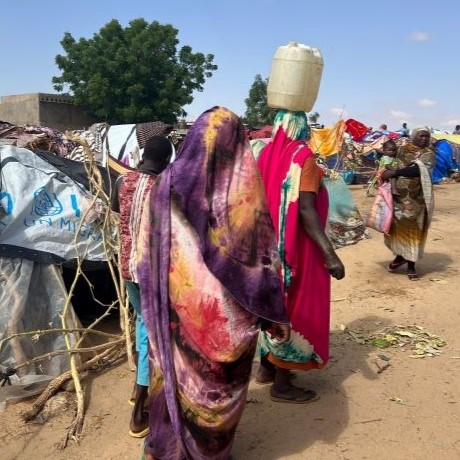
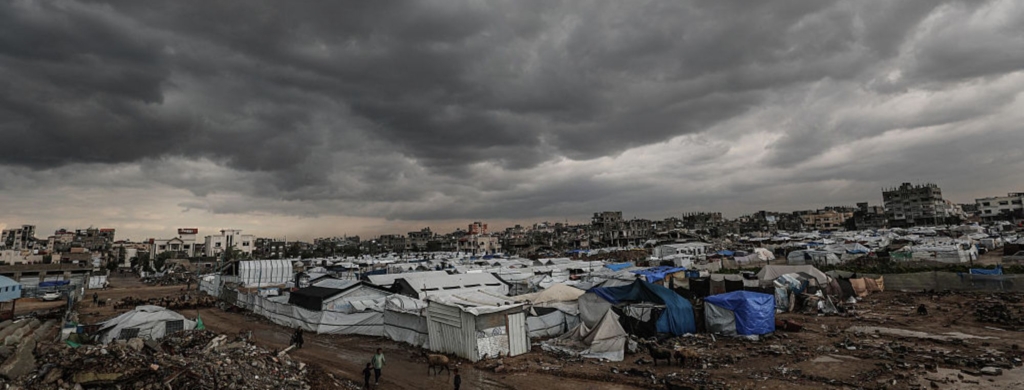
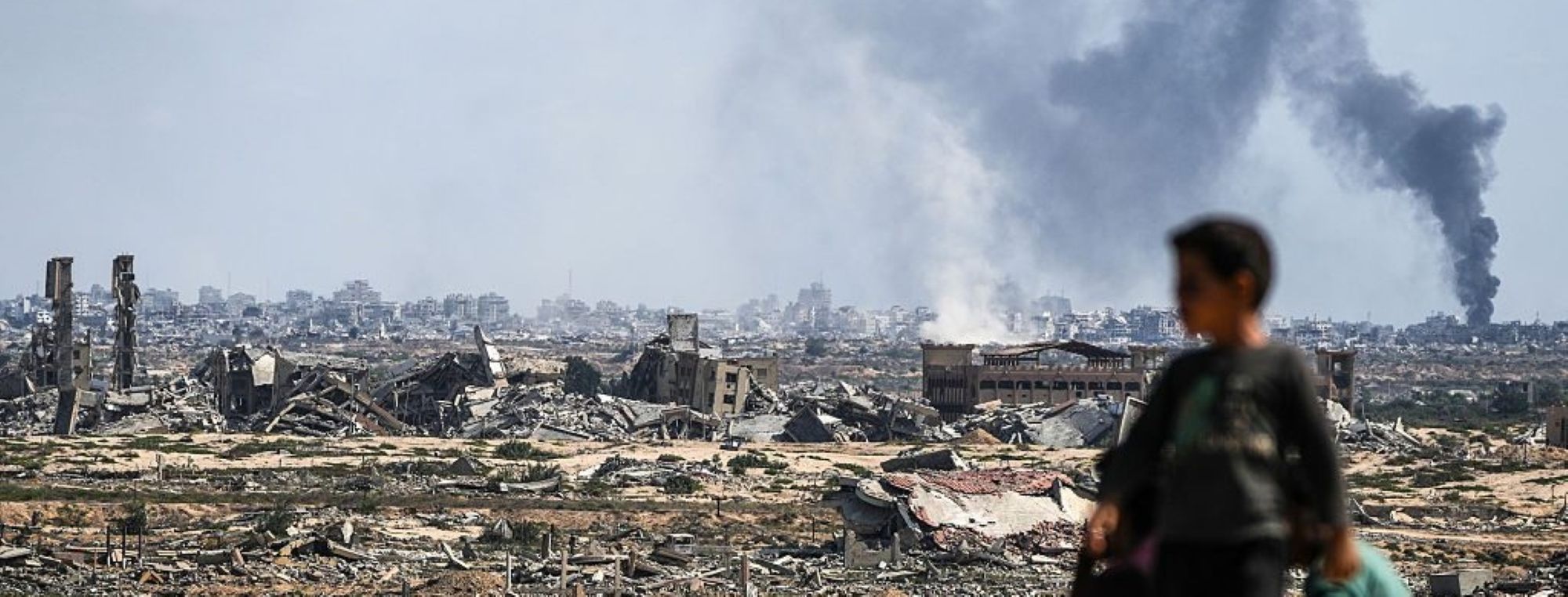
Amnesty International has received credible reports of abuses committed by Wazalendo fighters and revenge killings by M23 against civilians suspected of collaborating with the Wazalendo. Tens of thousands of residents were displaced in October. In parts of North Kivu province, many civilians have resorted to living in forests for fear of attacks by armed groups.
“Congolese are fed up with lofty rhetoric and diplomatic language,” said Tigere Chagutah “They are tired of waiting. Thousands of civilians are caught between two brutal forces. On one side, they face summary killings, torture, gang rape and abductions by Rwandan-backed M23. On the other side, they are killed, ill-treated, abducted and raped by members of the Wazalendo.”
“It’s appalling that international diplomats, including those from the US, European Union and African Union, are shirking their moral and international obligations by not applying direct and consistent pressure on Rwandan and DRC leaders to stop supporting abusive armed groups,” said Tigere Chagutah.
“World leaders are aware of the killings and rapes committed by the warring parties in DRC and choose to disregard them. Officials from the US, European Union and the African Union must prioritise stopping human rights abuses. Until diplomats impose consequences on the backers of the M23 and the Wazalendo, Congolese civilians will continue to suffer,” said Tigere Chagutah.
Background to the DRC peace deal negotiations
US, Congolese and Rwandan diplomats have worked on the peace deal set to be signed in Washington since April. Rwandan and DRC officials signed a peace agreement in Washington on 27 June, which allows Rwanda to maintain their “defensive measures” in eastern Congo until the Democratic Forces for the Liberation of Rwanda (FDLR) and affiliated armed groups are “neutralized.”
The FDLR is an armed opposition group operating in eastern DRC mainly composed of Rwandan Hutu. It contains remnants of the Interahamwe and former Rwandan soldiers responsible for the 1994 Rwandan genocide, as well as fighters not involved in the genocide, including many too young to have participated in the genocide. Rwandan President Paul Kagame has called the FDLR an “existential threat” to Rwanda.
Rwanda and M23 signed a framework for a peace agreement in Qatar on 15 November 2025 designed to end the fighting in DRC. The deal included eight protocols, most of which still required negotiation by the two parties.