





Following an internet and telecommunications blackout imposed by Iranian authorities on 8 January 2026, as nationwide protests intensified since erupting on 28 December 2025, Rebecca White, researcher at Amnesty International’s Security Lab, said:
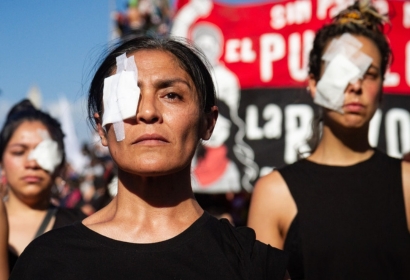
“The Iranian authorities have once again deliberately blocked internet access inside Iran to hide the true extent of the grave human rights violations and crimes under international law they are carrying out to crush the largest nationwide protests since the Woman Life Freedom uprising in 2022. This blanket internet shutdown not only hides human rights violations but amounts to a serious human rights violation in itself.
“Access to the internet is a basic human right and indispensable in times of protest. States have repeatedly used shutdowns as a tool to silence dissent and hide the truth. Internet shutdowns plunge people into digital darkness, blocking those inside the country from receiving information or sharing it with the outside world. This is entirely intentional. It prevents human rights violations, including unlawful killings by security forces, from being documented and perpetuates impunity for these state crimes.
“Iranian authorities have previously used internet shutdowns to throttle communications and access to information. In November 2019, security forces unlawfully killed hundreds of protesters and bystanders during five days of protests while authorities imposed a near total internet shutdown. The authorities again imposed internet shutdowns during the Woman Life Freedom uprising of September-December 2022 as security forces unlawfully killed hundreds of protesters and bystanders.
“The right to protest extends to digital spaces. Blanket or total internet cuts are inherently disproportionate under international human rights law, and must never be imposed, even in cases of emergency. Iranian authorities must immediately restore full internet access.
“With reports of a rising death toll in Iran, Amnesty International reiterates its calls for urgent global diplomatic action, warning of the risk of further bloodshed amid the internet blackout providing cover for security forces who commit grave violations.”
Background
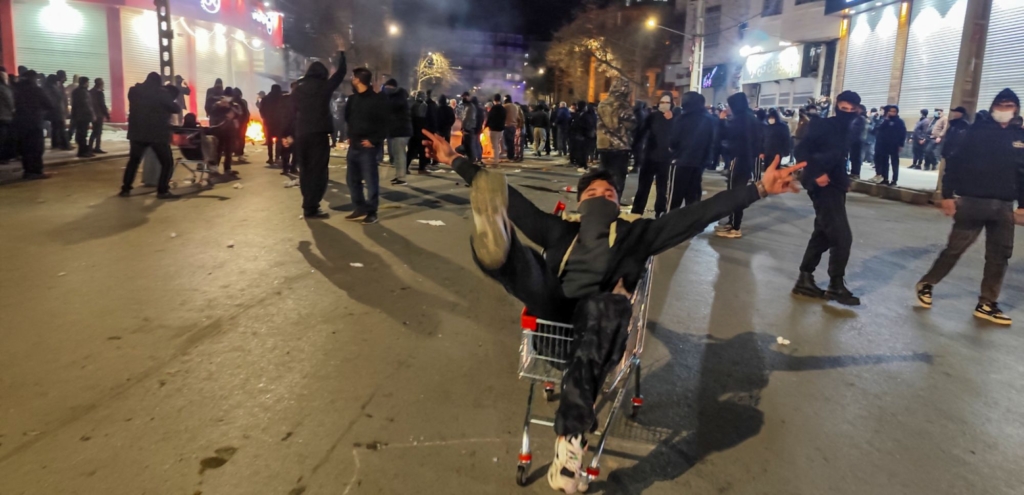
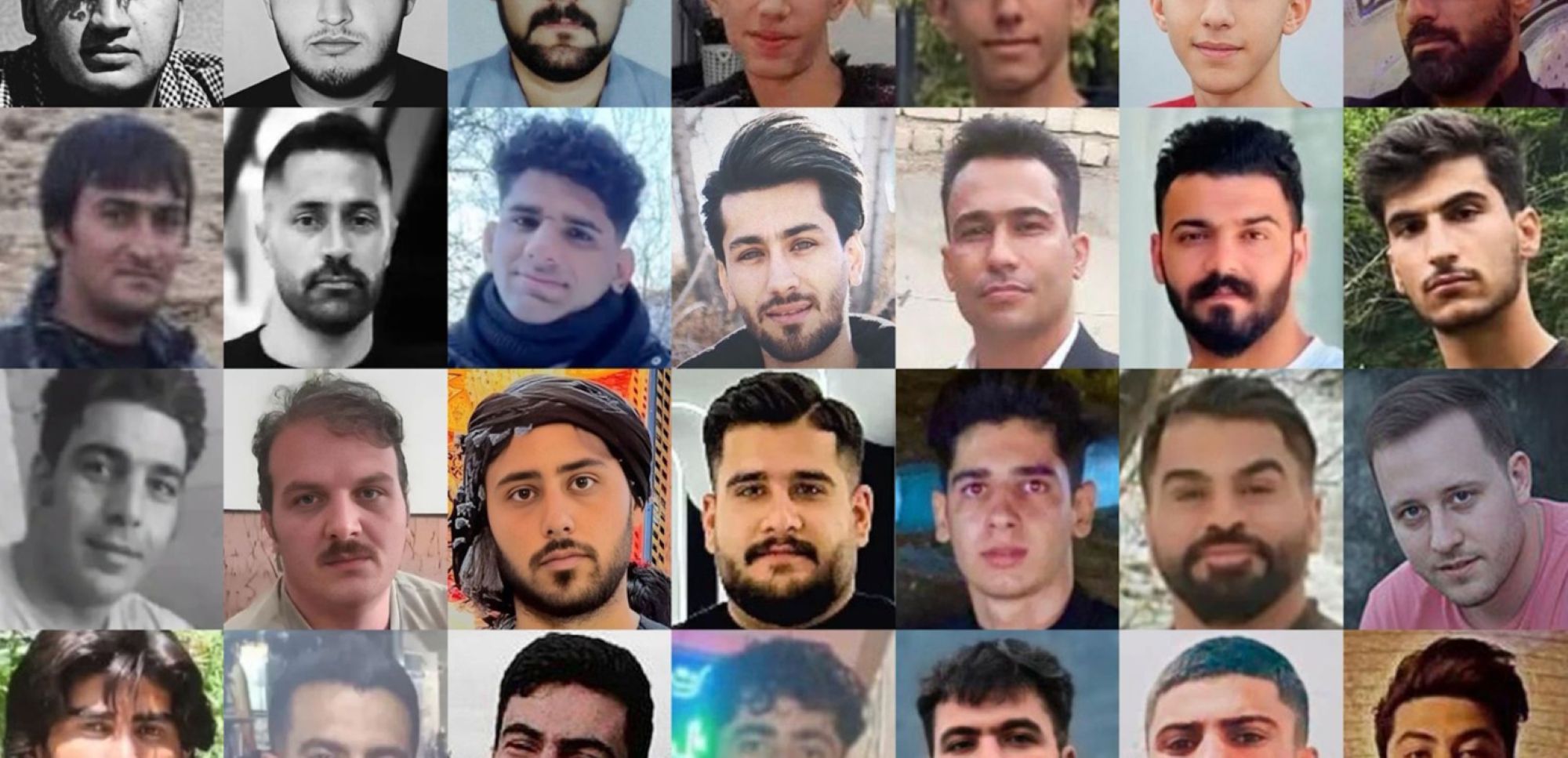
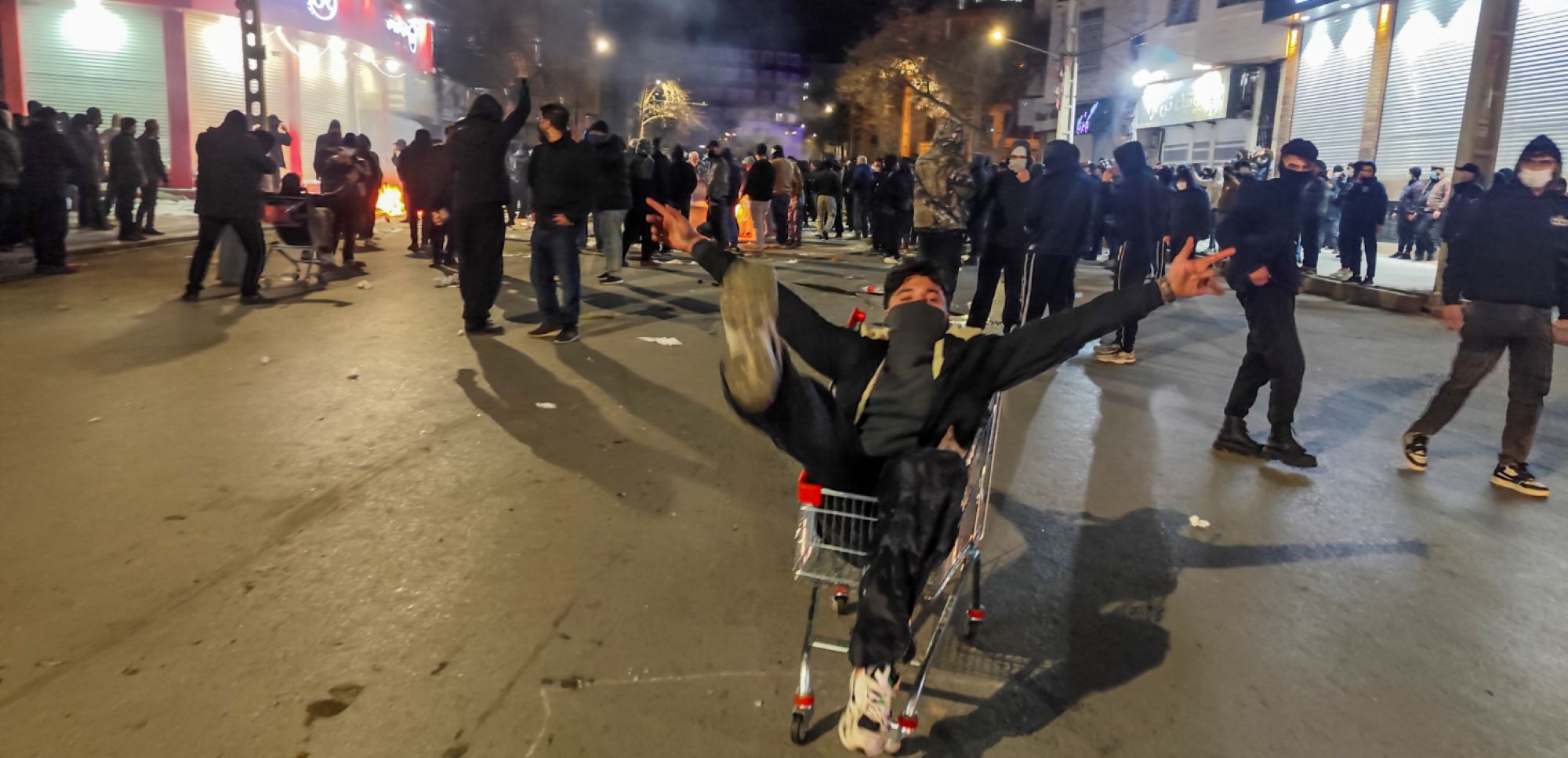
Since 28 December 2025, Iranian authorities have carried out a violent crackdown on protesters across the country, involving unlawful use of force, firearms and mass arbitrary arrests. The crackdown has resulted in the killing of at least 28 protesters and bystanders, including children, in 13 cities across eight provinces between 31 December 2025 and 3 January 2026. Amnesty International is investigating reports that security forces have intensified their use of unlawful lethal force since imposing the internet shutdown, causing further deaths and injuries.
Protests erupted on 28 December 2025 in Iran’s capital, Tehran, triggered by a sharp currency collapse and soaring inflation. They have since spread nationwide, with protesters calling for the fall of the Islamic Republic system.