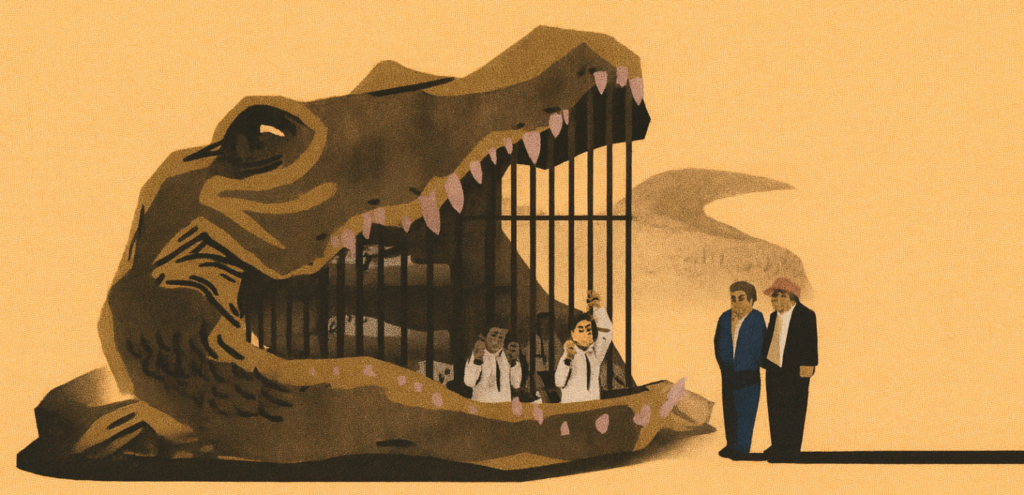





On November 28, the Tunis Court of Appeal upheld the convictions and prison sentences of 34 defendants, issuing terms ranging from five to 45 years in what is widely viewed as a politically motivated “conspiracy case.” Authorities quickly enforced the ruling against two defendants who had not been detained previously.
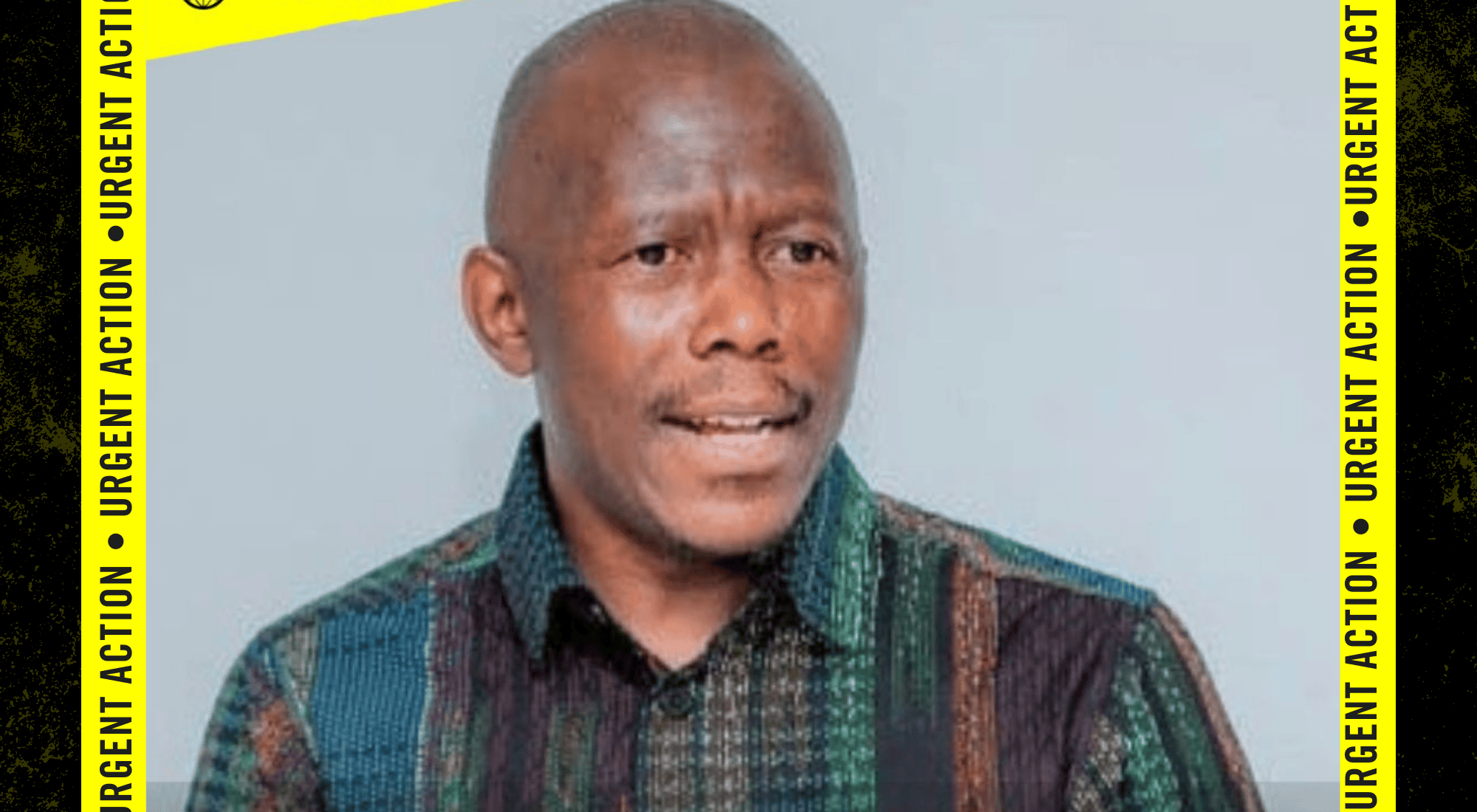
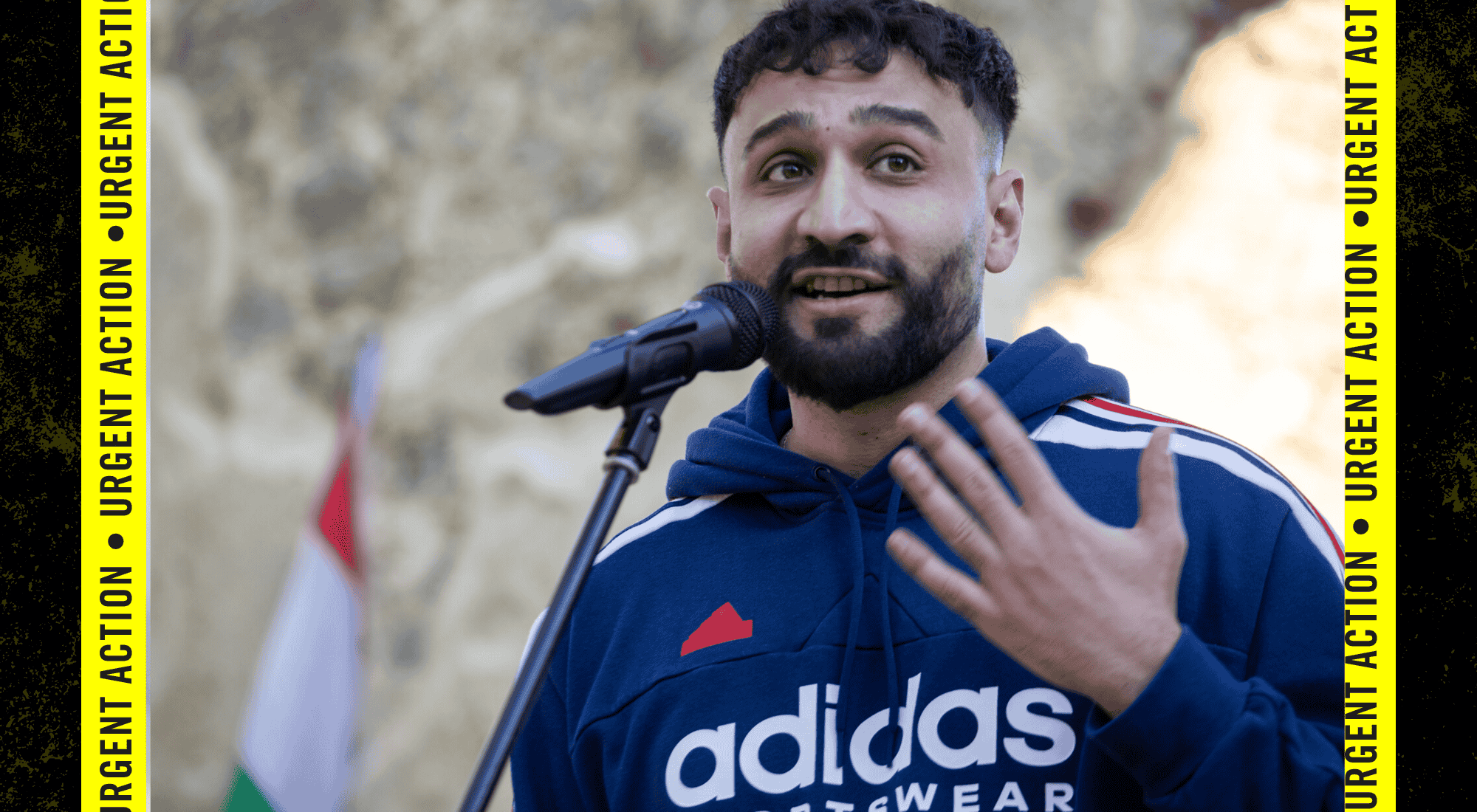
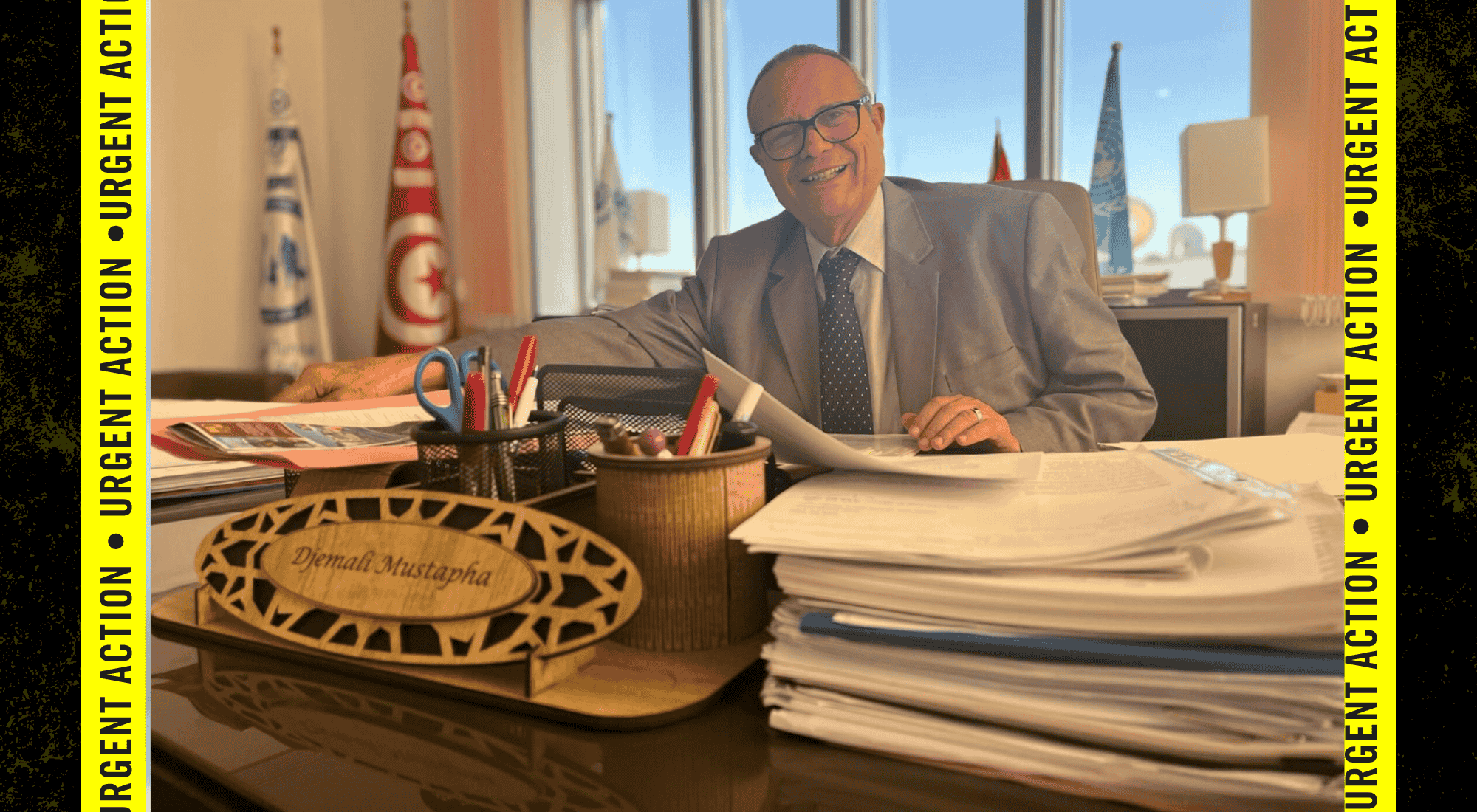
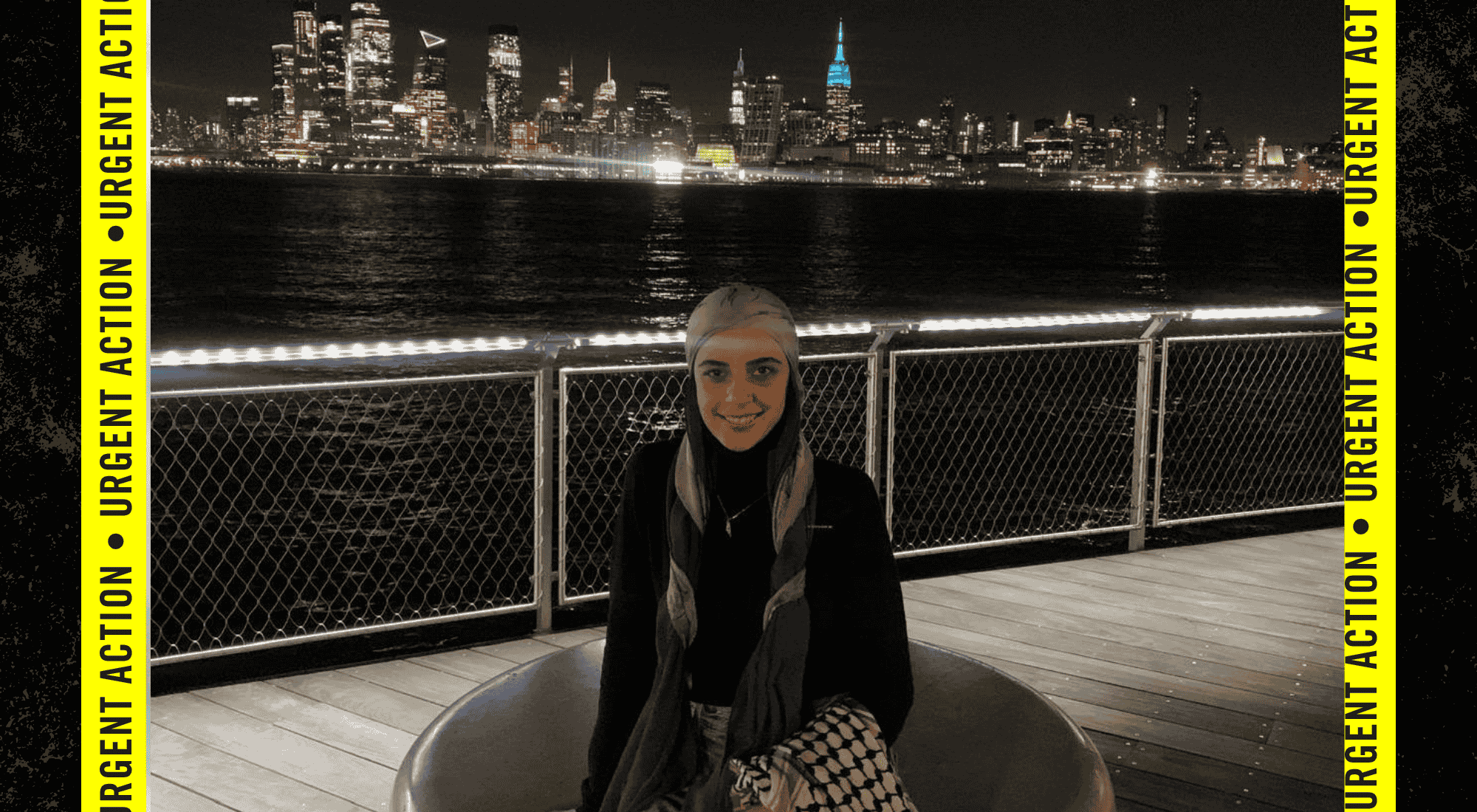
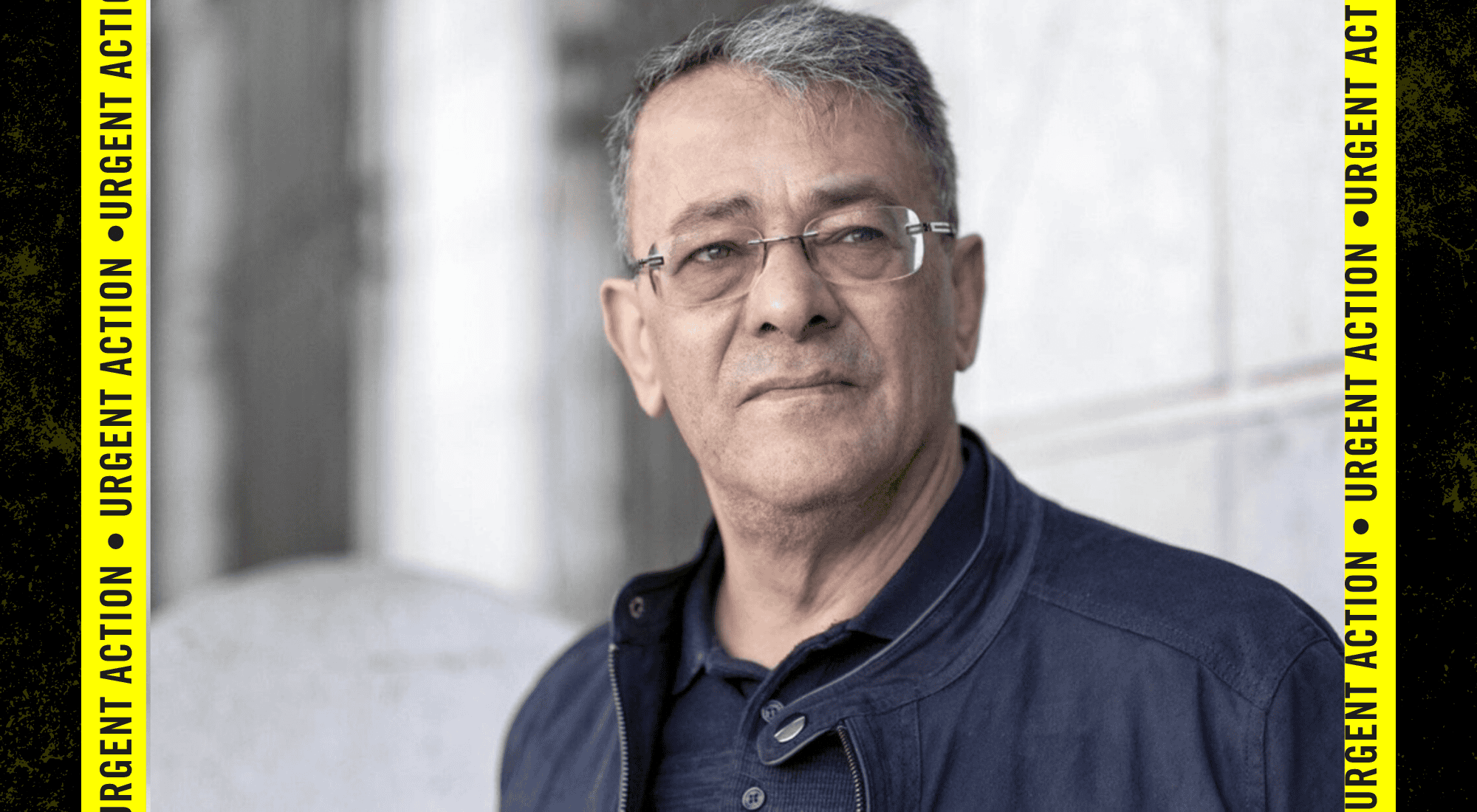
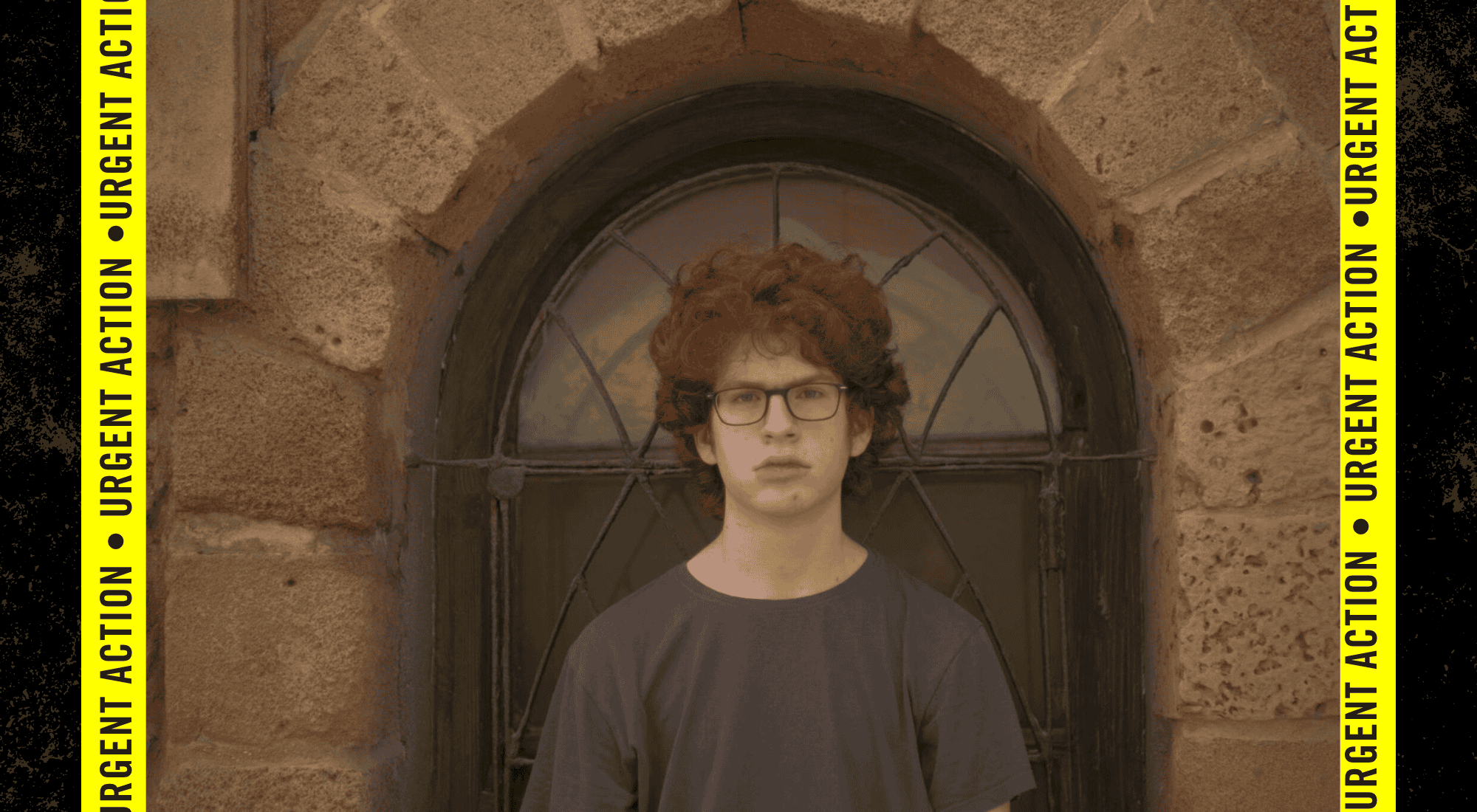
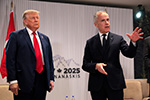
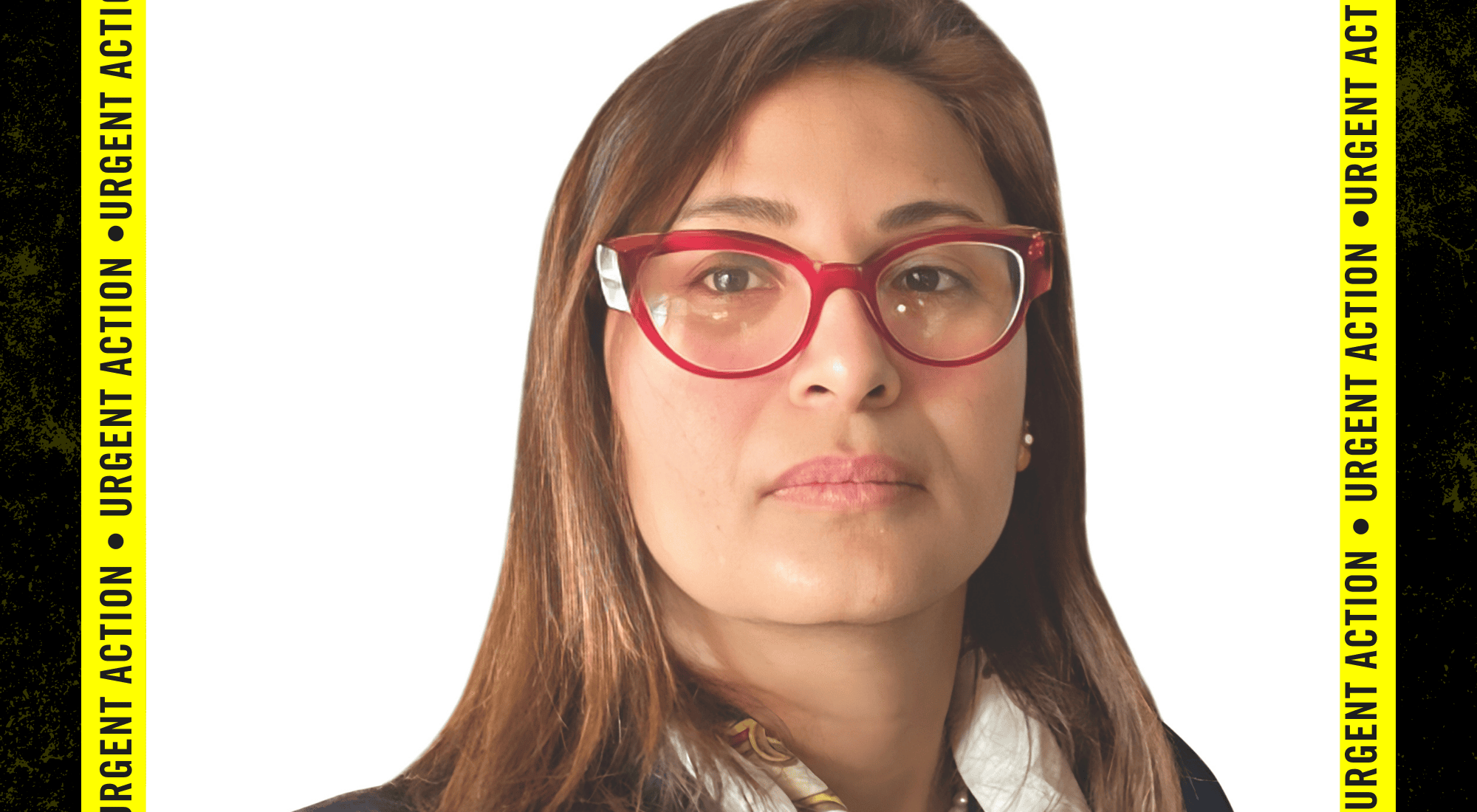
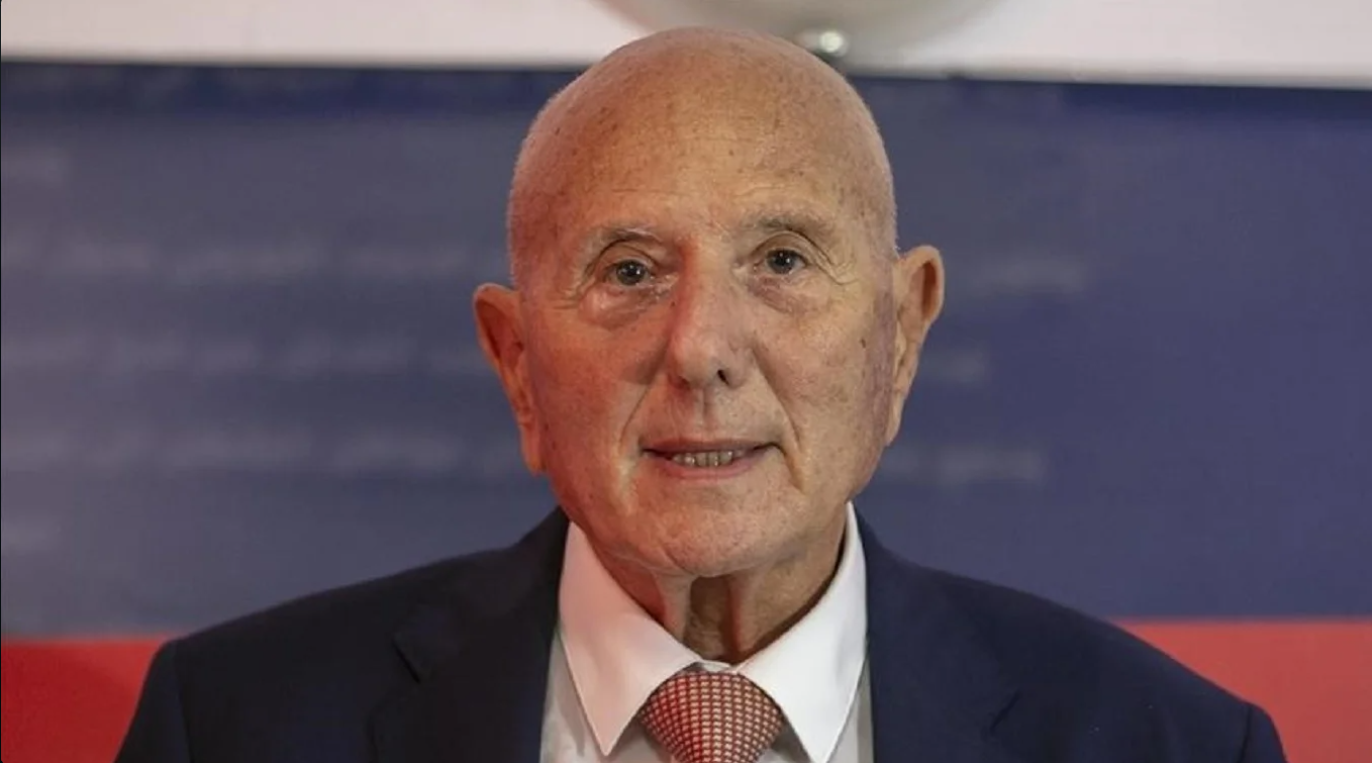
On November 29, plainclothes police violently arrested political activist Chaima Issa during a peaceful demonstration in Tunis protesting the government’s escalating crackdown on dissent. On December 2, police arrested human rights lawyer Ayachi Hammami at his home in Tunis. Two days later, on December 4, officers detained prominent opposition leader Ahmed Nejib Chebbi, also at his home.
We are urging the Tunisian authorities to quash the unjust convictions and sentences in the “conspiracy case” and to immediately and unconditionally release all individuals detained solely for peacefully exercising their human rights.
Here’s what you can do:
Write to the President of the Republic of Tunisia urging the government to:
- Quash the unjust convictions and sentences of all defendants.
- Immediately and unconditionally release all individuals detained solely for the peaceful exercise of their human rights.
- Cease politically motivated prosecutions of critics, political opponents, human rights defenders, and activists.
Write to:
President of the Republic Kais Saied
Route de la Goulette
Site archéologique de Carthage, Tunisie
Email: contact@carthage.tn
Twitter: @TnPresidency – Facebook
Salutation: Your Excellency,
And copy:
His Excellency Lassaad Boutara
Ambassador
Embassy of the Republic of Tunisia
515 O’Connor Street
Ottawa, ON K1S 3P8
Tel: (613) 237-0330, -0332 Fax: (613) 237-7939
Overview of the Politically Motivated “Conspiracy Case”
The “conspiracy case” in Tunisia involves the prosecution of 37 opposition figures, lawyers, and activists on politically motivated charges. Most face accusations of “conspiracy against state security,” an offence that carries severe prison sentences.
In April 2025, the Tunis Court of First Instance issued prison terms ranging from four to 66 years. The trial was widely condemned for serious fair trial violations, lack of transparency, and executive interference. Defendants were banned from attending their own trial after the court decided that all terrorism cases would be conducted remotely from April 2024, citing an undefined “imminent danger.”
The trial lacked public scrutiny. Evidence was not presented openly nor subjected to cross-examination. Several independent journalists, civil society observers, and diplomats were denied access to the courtroom. Defendants who appeared remotely could not speak, and their lawyers were not permitted to present arguments before verdicts were delivered.
Unfair Charges, Severe Sentences, and Politicised Prosecutions
Those sentenced included political opponents across the spectrum, lawyers, businesspeople, activists, and human rights defenders. The defendants were prosecuted more than two years after the investigation began in February 2023. They were charged under 10 articles of the Tunisian Penal Code, including Article 72, which mandates the death penalty for attempting to “change the nature of the state.”
They were also convicted on baseless terrorism charges under the 2015 counterterrorism law, such as Article 32, which allows up to 20 years’ imprisonment for “forming a terrorist organisation.” The accusations were rooted entirely in their political activities, including organising opposition meetings or engaging with foreign nationals — actions that do not constitute criminal offences.
Eight defendants were arbitrarily detained since February 2023, exceeding the legal 14-month limit set in the Code of Criminal Procedure. They included: politician Khayyam Turki; businessman Kamel Ltaeif; politician Abdelhamid Jelassi; opposition activist Issam Chebbi; opposition activist Jaouhar Ben; lawyers and activists Ghazi Chaouachi and Ridha Belhaj.
Activists Chaima Issa and Lazhar Akremi were also detained in February 2023 before being provisionally released on July 13, 2023, after nearly five months of arbitrary detention. Both were then placed under unlawful restrictions, including bans on international travel and bans on “appearing in public spaces.”

Appeal Proceedings Marked by Due Process Violations
The appeal trial began on March 4, 2025, again without defendants being allowed to appear in person. The hearing was postponed to April 11 and then April 18. Prior to the hearings, the court informed the Bar Association that all terrorism trials in March and April would proceed remotely, citing vaguely a “real danger.” Detainees and their lawyers challenged the measure and refused to participate unless they could attend physically.
Further due process violations unfolded in October 2025. Defence lawyers learned on October 24 that the initial appeals hearing had been scheduled for October 27 and would take place by video conference for the 12 detained defendants. They were notified only on the day of the hearing, and defendants not in custody received no summons at all. The hearing was then adjourned to November 17 and subsequently to November 27.
Growing International Concern Over Tunisia’s Erosion of Justice
International bodies have repeatedly condemned Tunisia’s handling of the case. On April 24, 2025, UN High Commissioner for Human Rights Volker Türk described the verdicts as a “setback to justice and the rule of law.” Türk had already raised concerns in February 2023, when President Kais Saied publicly claimed that anyone who “dared to exonerate” what he called “criminal networks” was an “accomplice.” His arbitrary dismissal of 57 judges in 2022 contributed to a climate of intimidation and fear within the judiciary.
On October 8, 2024, the UN Working Group on Arbitrary Detention concluded that the violations of the detainees’ due process rights were so severe that their detention was arbitrary. The Working Group called for their immediate release.
Please take action as soon as possible until June 5, 2026. The UA will be duly updated should there be the need for further action.